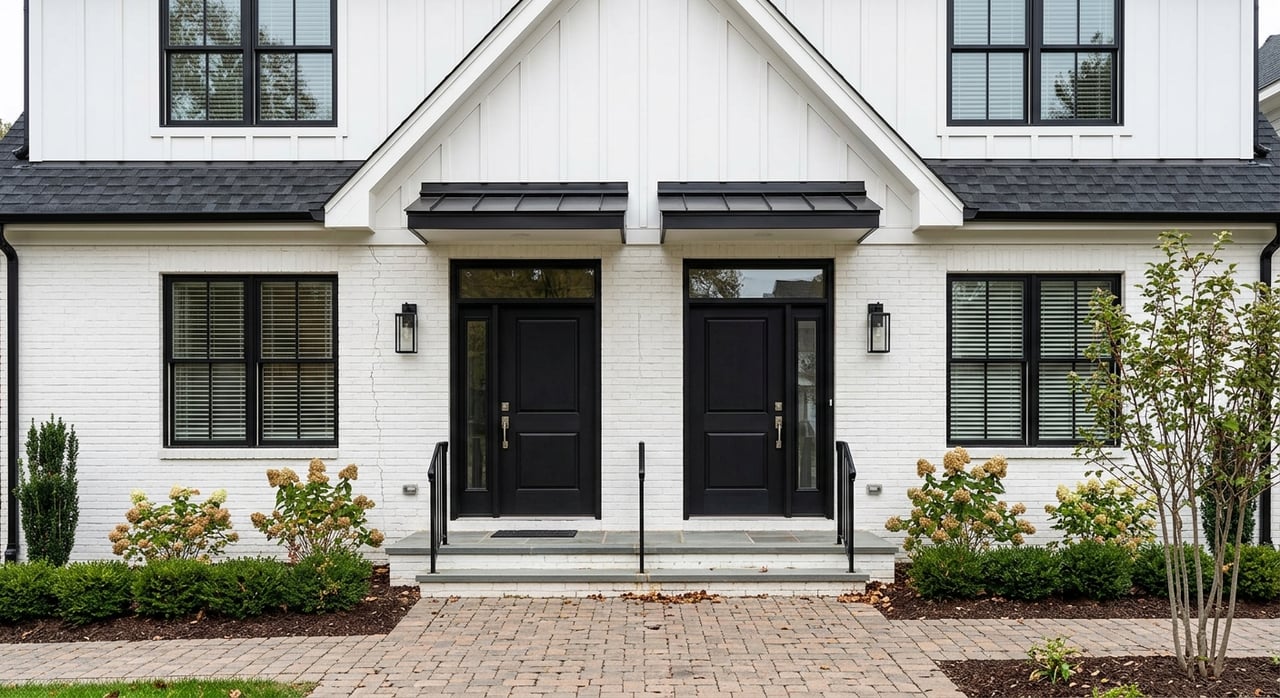
If you love Ridgewood but do not love the idea of nonstop home upkeep, a condo or townhome may be worth a closer look. In a village known for high home values, a walkable downtown, and direct rail access, the right housing type often comes down to how you want to spend your time and money each month. This guide will help you compare condos, townhomes, and detached homes in Ridgewood so you can choose the fit that matches your lifestyle, budget, and priorities. Let’s dive in.
Why Ridgewood Changes the Conversation
Ridgewood is a relatively small, high-value housing market. According to the U.S. Census QuickFacts for Ridgewood village, the village has a population of 25,979, an owner-occupied housing rate of 82.5%, and a median owner-occupied home value of $891,200 in the 2020 to 2024 period.
That matters because in a market like this, monthly carrying costs can be just as important as purchase price. If you are deciding between a condo, a townhome, or a single-family home, you need to look beyond the list price and think about fees, maintenance, taxes, insurance, and your day-to-day lifestyle.
Ridgewood also has a strong walkable core. The village’s planning materials describe a downtown centered around shops, restaurants, entertainment, and upper-floor residences, with a pedestrian-oriented layout that supports an active central district. The Ridgewood Master Plan also emphasizes connected sidewalks, parks, treed streets, and downtown walkability.
For many buyers, that makes attached housing especially appealing. If you want to be closer to the Village Center, Franklin Avenue, Ridgewood Avenue, and the train, a condo or townhome can offer a more convenient way to enjoy the location.
What a Ridgewood Condo Usually Means
A condo usually means you own your individual unit while sharing ownership interests in common areas with other owners. According to HUD’s condominium guidance, that shared structure is one of the key features that sets condo ownership apart from other property types.
For you, the biggest advantage is often lower day-to-day upkeep. Common-area maintenance is typically handled through the association, which can make condo living appealing if you want a simpler home base and less exterior responsibility.
The tradeoff is cost and control. The Consumer Financial Protection Bureau notes that condo or homeowners association dues are usually separate from your monthly mortgage payment, so you need to budget for those costs in addition to principal, interest, taxes, and insurance.
CFPB also notes that those fees can range from a few hundred dollars per month to more than $1,000 in some cases, depending on the property and what is included. That is why a condo with a lower purchase price does not always mean a lower monthly cost overall.
What a Townhome Usually Means
A townhome often falls between a condo and a detached house. HUD explains that in some planned unit developments, homeowners own their units and the land under them, while shared spaces are owned and maintained by a homeowners association.
That structure can give you a more house-like feel than many condos. You may get multiple levels, more interior space, and a layout that feels more similar to a traditional home, while still having some shared maintenance handled through the association.
The important detail is that not all townhomes work the same way. Owner and association responsibilities vary by community, so it is smart to confirm exactly what the HOA maintains before you assume a townhome will be fully low-maintenance.
How a Single-Family Home Compares
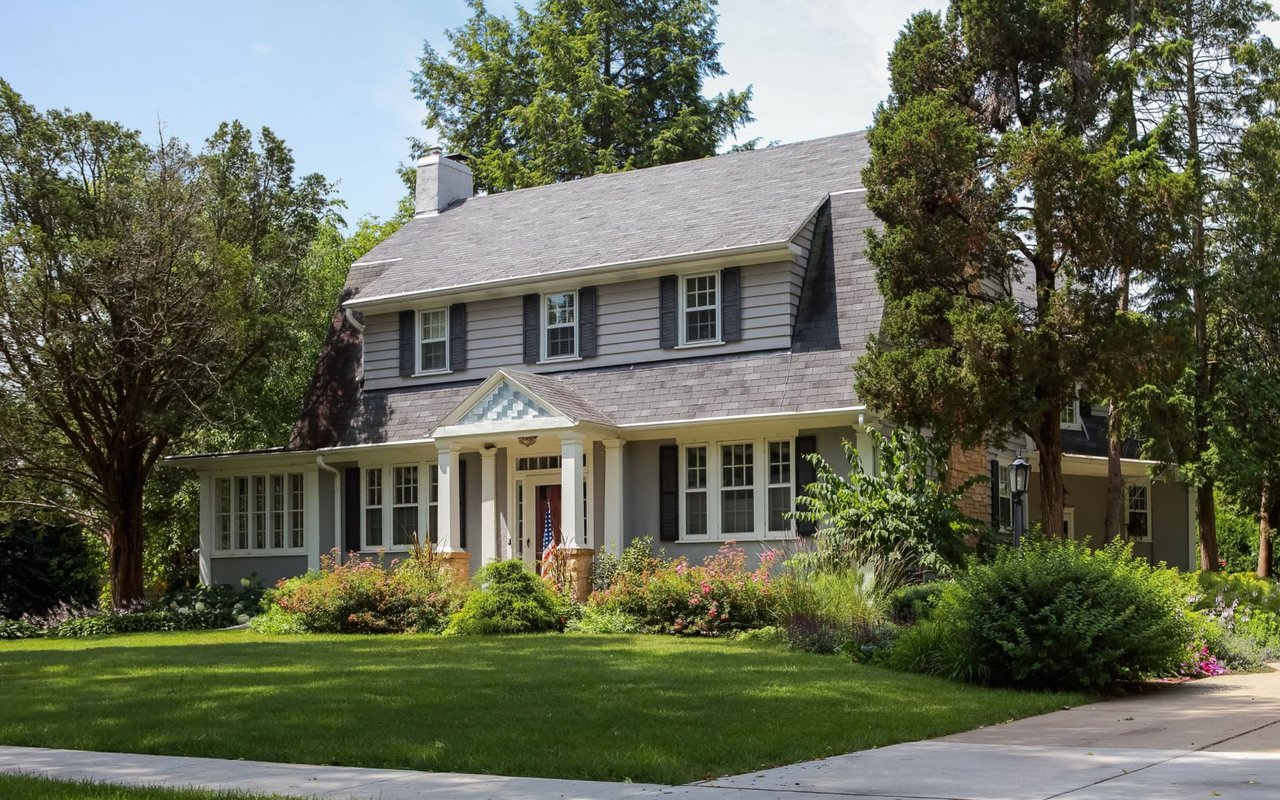
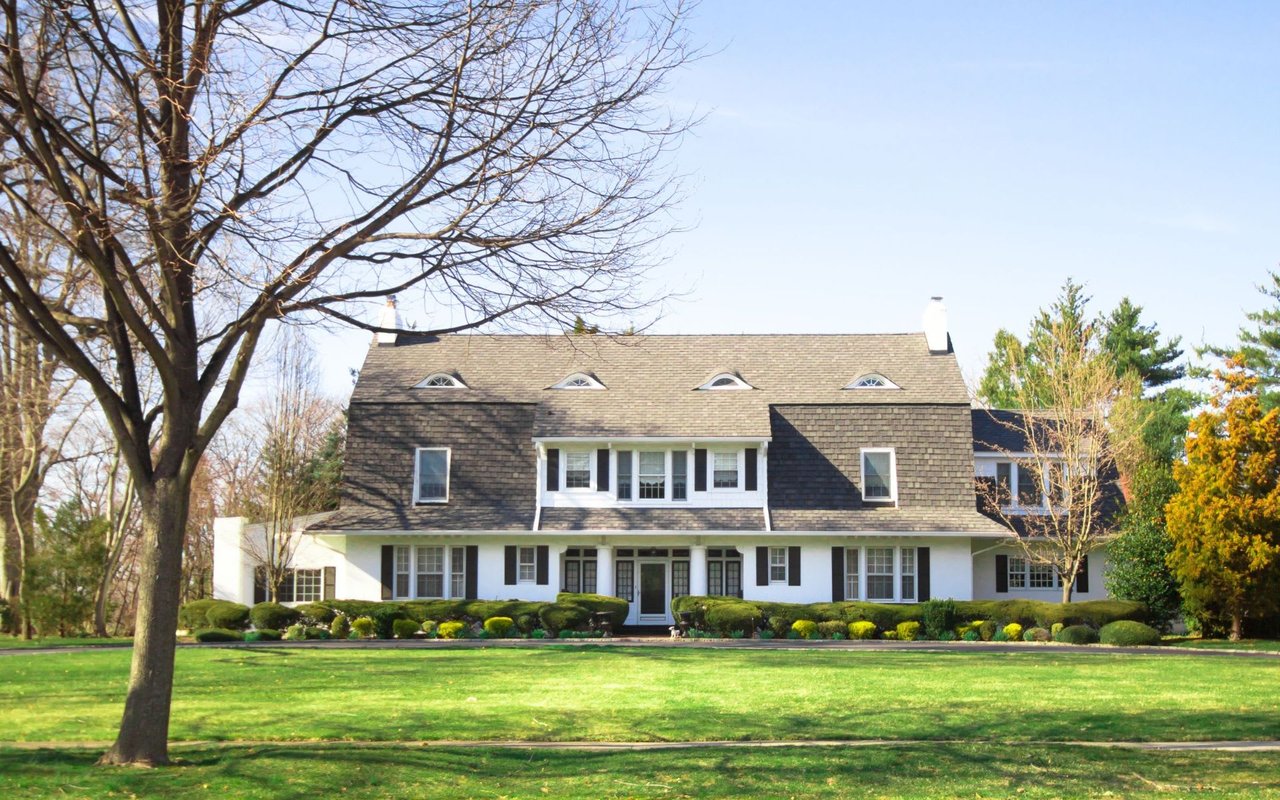
A detached home usually gives you the most control and the most responsibility. The CFPB homebuying guide notes that ongoing ownership costs can include your mortgage, taxes, homeowner’s insurance, maintenance and repairs, utilities, and in some cases HOA fees.
If you buy a single-family home, you are typically taking on more direct responsibility for exterior upkeep, repairs, and long-term maintenance. In return, you may get more privacy, more storage, more outdoor space, and more freedom to customize.
In Ridgewood, that tradeoff can be very appealing if you want the classic detached-home experience. But it also means you should be realistic about how much time, energy, and money you want to put into the property after closing.
Why Condos and Townhomes Fit Ridgewood
Ridgewood’s local character makes attached housing a logical option for the right buyer. The village’s historic preservation materials describe the downtown area as a pedestrian-oriented district with many buildings that are attached or semi-attached and built close to the street, helping create a walkable environment. You can see that context in the Historic Preservation Element of the Ridgewood Master Plan.
That walkability becomes even more important if commuting is part of your routine. NJ Transit’s Ridgewood Station page places the station at Garber Square near West Ridgewood Avenue, one block from Franklin Avenue, with service on the Main-Bergen County Line and access toward Secaucus Junction, Hoboken, and New York.
If you want to be near downtown activity and rail access without taking on the full maintenance load of a detached home, a condo or townhome may be a very practical choice. In Ridgewood, convenience is not just about square footage. It is also about how easily you can plug into the village center.
Condo vs Townhome vs Detached Home
Here is a simple way to think about the tradeoff:
| Home Type |
Best For |
Main Benefit |
Main Tradeoff |
| Condo |
Buyers who want low upkeep and a simpler home base |
Common-area maintenance is usually handled by the association |
Monthly dues and less control over exterior decisions |
| Townhome |
Buyers who want more space with some shared maintenance |
More house-like layout with some convenience benefits |
HOA rules and responsibilities vary by community |
| Single-family home |
Buyers who want privacy, outdoor space, and autonomy |
More independence and customization |
More maintenance and repair responsibility |
In many cases, the decision comes down to convenience versus control. The more maintenance you want to avoid, the more attractive a condo or townhome may become. The more privacy and independence you want, the more a detached home may make sense.
Questions to Ask Before You Choose
Before you decide, it helps to compare each option through the same lens. Ask yourself:
- How important is low maintenance to you?
- Do you want to be close to downtown Ridgewood and the train?
- How much interior space do you need right now?
- Do you want outdoor space or extra storage?
- Are you comfortable with HOA or condo fees?
- How much control do you want over exterior changes and repairs?
- Would you rather pay more each month for convenience, or handle more upkeep yourself?
These questions can quickly narrow the field. They also help you avoid focusing only on list price, which rarely tells the full ownership story.
Look at Total Monthly Cost
This is one of the most important parts of the decision. The CFPB says HOA and condo dues are usually separate from your mortgage payment, so you should compare the full monthly cost, not just the home price.
When you evaluate a Ridgewood condo or townhome, look at:
- Mortgage payment
- Property taxes
- Homeowner’s insurance
- HOA or condo dues
- Utilities
- Expected maintenance and repair costs
A property with a lower sale price can still have a higher monthly carrying cost if the dues are significant. On the other hand, a higher monthly fee may feel worthwhile if it reduces the upkeep you would otherwise handle yourself.
Who a Condo May Suit Best
A condo can be a strong match if you want a home that supports a busy schedule. In Ridgewood, that often includes buyers who value proximity to the Village Center and station area, especially where walkability and convenience are most noticeable.
You may want to focus on condos if you are looking for:
- Less exterior maintenance
- A lock-and-leave lifestyle
- Easier access to downtown amenities
- A simpler ownership experience than a detached home
That does not make condos better than other options. It simply means they tend to work well for buyers who want location and ease to take priority over extra space and autonomy.
Who a Townhome May Suit Best
A townhome can be a smart middle ground. If you want more room and a more traditional layout than many condos offer, but you still want some shared maintenance and a more manageable ownership experience, a townhome may be the right balance.
You may want to focus on townhomes if you are looking for:
- Multiple levels
- More interior space
- A more house-like feel
- Some maintenance support through an HOA
The key is to review the governing documents carefully. Since every community handles maintenance differently, the details matter just as much as the floor plan.
When a Detached Home May Be Better
A single-family home may still be the better choice if your top priorities are privacy, outdoor space, and freedom. If you enjoy having more control over your property and are comfortable managing maintenance, the extra responsibility may be worth it.
You may want to focus on detached homes if you are looking for:
- Greater privacy
- More yard space
- More storage
- Flexibility for updates and customization
In Ridgewood, that choice often means accepting more upkeep in exchange for a more independent ownership experience. For some buyers, that is exactly the point.
The Right Answer Depends on You
There is no one-size-fits-all answer in Ridgewood. The best option depends on how you want to live, how much maintenance you want to handle, and what kind of monthly cost structure feels comfortable for you.
If you are drawn to downtown walkability, rail access, and less day-to-day upkeep, a condo or townhome may be the better fit. If you want more privacy, outdoor space, and control, a detached home may still be the clear winner.
The good news is that you do not have to sort through those tradeoffs alone. If you are weighing attached housing against a detached home in Ridgewood, Kim Damion can help you compare the lifestyle, cost, and ownership details so you can move forward with confidence.
FAQs
What is the difference between a Ridgewood condo and a Ridgewood townhome?
- A condo usually means you own your unit and share ownership of common areas, while a townhome may include ownership of the unit and sometimes the land under it, with maintenance responsibilities that vary by community.
Are Ridgewood condo fees included in the mortgage payment?
- No. The CFPB says condo and HOA dues are usually separate from your monthly mortgage payment, so you should budget for them separately.
Is a condo a good fit for buyers who want to live near downtown Ridgewood?
- It can be, especially if you want a lower-maintenance home close to Ridgewood’s walkable downtown core, shops, restaurants, and train access.
Are Ridgewood townhomes lower maintenance than single-family homes?
- Often yes, but not always. Townhome maintenance responsibilities vary by project, so you should confirm what the HOA handles before you buy.
Why do buyers compare total monthly cost in Ridgewood?
- Because in a high-value market, the real cost of ownership includes more than the sale price. Mortgage payments, taxes, insurance, HOA dues, utilities, and maintenance all affect affordability.