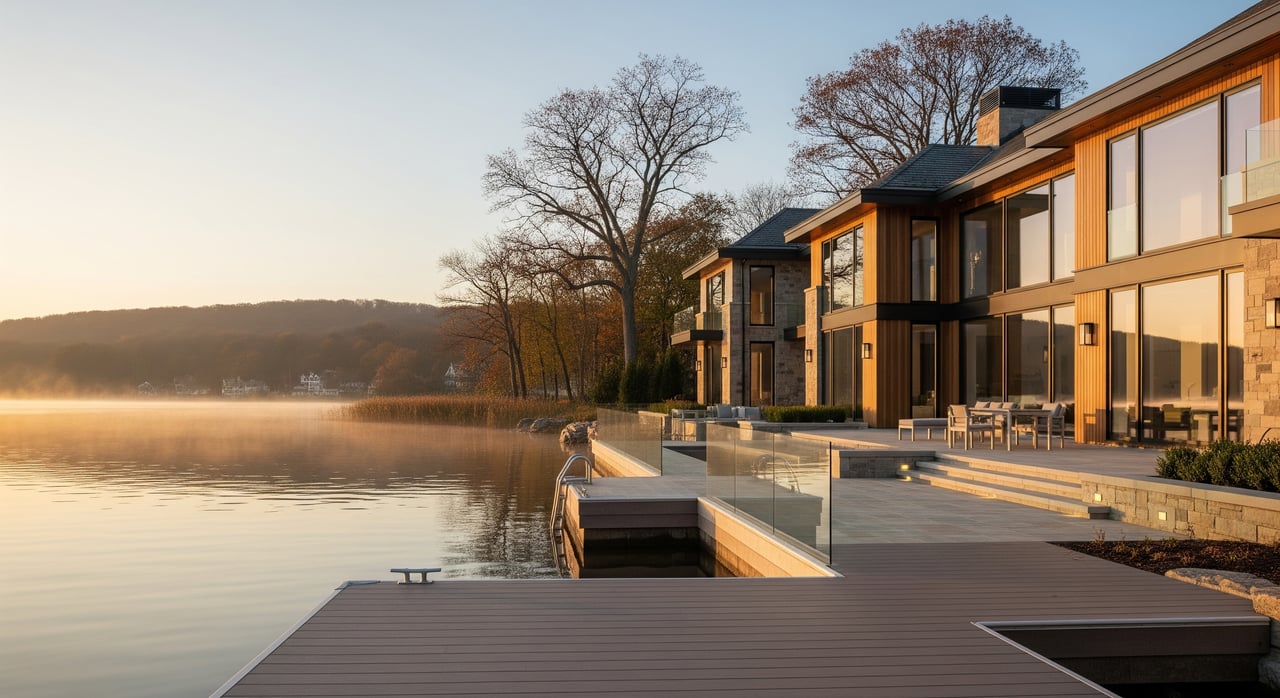
Dreaming of morning coffee by the water and sunset paddles steps from your back door? Lakefront living in Oakland can deliver that everyday escape, but it also comes with unique costs, rules, and responsibilities. If you want the view without surprises, you need a clear plan before you buy.
This guide walks you through what “lakefront” means in Oakland, what drives price and taxes, the permits and insurance to expect, and the inspections you should never skip. You’ll also get a practical checklist to move forward confidently. Let’s dive in.
What “lakefront” means in Oakland
In Oakland and across Bergen County, “lakefront” can describe a few different situations:
- Homes with direct private shoreline frontage on a lake or pond.
- Properties in an association community that collectively owns the shoreline and docks.
- Homes adjacent to publicly managed waterbodies or reservoirs.
Value depends on several factors. You’ll want to confirm whether the lake is private or public, how large and deep it is, whether motorboats are allowed, water clarity, and if the lot orientation gives you wide views or tucked-away privacy. Rules on boating, fishing, or swimming can also affect daily use and resale.
What drives price and value
Waterfront homes often carry a price premium compared with similar non-waterfront homes. That premium can vary widely based on:
- Type of waterbody and desirability of the lake.
- Lot size, shoreline length, and view corridor.
- Existing improvements like a dock, bulkhead, or boathouse.
- The home’s condition and how easily it can be maintained near water.
- Zoning and usage rules that shape how you can use the shoreline.
Because sales are more specialized, appraisals can be tricky. Limited comparable sales may lead to conservative valuations, so plan for a thoughtful pricing and negotiation strategy.
Upfront costs when you buy
Beyond the purchase price, expect several lake-specific items in your closing budget:
- Closing costs and fees. Standard New Jersey closing costs apply. If the home is part of a lake or homeowners association, there may be transfer fees or special assessments.
- Title research and endorsements. Ask your title company to verify riparian or littoral rights, shoreline and utility easements, and any conservation restrictions. Extra endorsements may be recommended.
- Survey. A current boundary survey helps confirm where your property meets the water, setback lines, and any encroachments.
Ongoing costs to plan for
Waterfront ownership often means higher recurring expenses. Build these into your annual budget:
- Property taxes. Bergen County has above-average property tax rates for New Jersey, and lakefront assessments can be higher due to the view and access premium. Check the borough assessor’s records and recent assessments.
- Association dues. Many lakes are privately managed. Dues may cover dam and lake maintenance, weed control, shared docks, insurance, and liability coverage.
- Well and septic. Some lakefront homes rely on private wells and septic systems. Plan for routine maintenance, pumping, periodic inspections, and potential upgrades.
- Insurance. You’ll need standard homeowners insurance. If the property sits in a FEMA Special Flood Hazard Area or faces elevated flood risk, lenders commonly require flood insurance through the National Flood Insurance Program or a private carrier. Separate coverage may be needed for docks, boathouses, or watercraft.
- Shoreline care and capital projects. Retaining walls or bulkheads, dock upkeep, erosion control, and tree and vegetation management can be significant line items. Some work requires permits before you start.
- Dam-related assessments. If the lake includes a dam maintained by an association, owners can be assessed for required repairs or upgrades under state dam safety rules.
Rules and permits in New Jersey and Oakland
Understanding the regulatory framework will save you time and headaches.
State oversight (NJDEP)
- Freshwater Wetlands Protection Act and Flood Hazard Area Control Act. Many shoreline projects, including docks, bulkheads, and significant landscaping, require authorization. Plan timelines with permitting in mind.
- Dam safety. If your lake is impounded by a dam, state rules govern inspections and repairs. These can trigger association assessments.
Local municipality requirements (Borough of Oakland)
- Zoning and building permits. Shore structures, setback limits, dock dimensions, and stormwater management may be regulated locally.
- Rental and use rules. Municipal ordinances may restrict short-term rentals, parking, or use of docks. Review local rules early.
Flood, wetlands, and environmental quality
Water proximity calls for clear eyes on risk and environmental performance.
- FEMA flood zones. Check current flood maps to determine if the property is in a Special Flood Hazard Area. Lenders often require flood insurance in these zones, and you may need an Elevation Certificate.
- Wetland buffers. Buffer requirements can limit development or require mitigation near sensitive areas.
- Water quality. Nutrient runoff, septic failures, and stormwater can drive algal blooms, including harmful algal blooms. These conditions can restrict swimming or boating and may reduce enjoyment and appeal.
- Invasive aquatic species. Plants like Eurasian watermilfoil can limit use and require organized control efforts.
- Erosion and sedimentation. Shoreline retreat can threaten structures. Bulkheads or living shorelines may need periodic reinforcement.
Financing and appraisals for lakefront homes
Lakefront financing is workable with the right preparation:
- Appraisals. Limited comps can make valuations challenging. Work with lenders and appraisers who understand waterfront dynamics.
- Flood requirements. If the home is in a Special Flood Hazard Area, lenders require flood insurance. Some lenders add conditions or decline loans for properties with known flood or erosion exposure.
- VA/FHA loans. Government-backed programs have specific standards for properties with environmental or flood risks. Confirm eligibility early to avoid delays.
Due diligence and inspections checklist
A standard home inspection is not enough for waterfront. Add these steps:
- Verify the lake type and your access rights. Confirm whether it is private, association-managed, or public, and whether the shoreline is privately owned.
- Order a current title report and boundary survey. Confirm riparian or littoral rights, easements, and any encroachments.
- Review municipal zoning, building rules, and any association bylaws and financials. Look for pending assessments and reserves for dam or lake work.
- Check FEMA flood maps and request any Elevation Certificates. Ask for flood claims history when available.
- Schedule specialist inspections: foundation and flood-related structural review; dock, bulkhead, and retaining wall inspection by a qualified marine contractor; septic inspection per Bergen County standards; well water testing for bacteria and nitrates; erosion assessment by a civil or shoreline engineer.
- Consider an environmental site assessment if there is industrial history nearby or suspected contamination.
- Obtain insurance quotes for homeowners, flood, and any inland marine or watercraft coverage.
- Ask about recent water quality advisories, harmful algal blooms, and invasive-plant management programs.
Lifestyle fit and resale
The rewards are real: scenic views, direct water access for swimming, fishing, and boating, and a daily connection to nature. With that come tradeoffs. Expect stricter maintenance, possible seasonal nuisances like mosquitoes or algae, and potentially higher tax and insurance costs. Some lakes limit watercraft type or hours of use.
Resale can be strong for well-maintained, compliant lakefront properties. The buyer pool can be narrower because of specialized upkeep, but clean legal access, documented maintenance, and good environmental performance tend to sustain demand. In New Jersey, sellers must disclose known issues, including environmental hazards and septic or well concerns. Buyers should expect thorough documentation.
How a local specialist helps you win
A lakefront purchase is as much about lifestyle as it is about land and water rights. You benefit from a partner who understands local shorelines, association rules, flood and permit pathways, and the right professionals to call. With concierge-level buyer service, strategic negotiation, and access to on- and off-market opportunities, you can secure the right home without surprises.
If you are considering a lakefront move in Oakland or nearby Bergen County suburbs, let’s talk through your goals, timeline, and due diligence plan. Connect with Kim Damion to get a tailored path forward.
FAQs
Do all Oakland lakefront homes require flood insurance?
- Not always. If FEMA maps place the property in a Special Flood Hazard Area, lenders usually require it. Many buyers still choose flood coverage given lake-related storm and flood risks.
What extra inspections should I order for a lakefront home?
- In addition to a standard home inspection, add a foundation review, dock and bulkhead inspection, shoreline erosion assessment, septic inspection, well water testing, and, if needed, an environmental site assessment.
Who pays for dock or bulkhead repairs in a lake community?
- It depends on ownership and association rules. Private shoreline structures are typically the owner’s responsibility, while association-owned docks are often covered by dues or special assessments.
Can I build a new dock or expand an existing one in Oakland?
- Possibly, but most shoreline work needs municipal permits and may require state authorization under wetlands and flood hazard rules. Association bylaws may also limit size and design.
Are property taxes higher for lakefront homes in Bergen County?
- Taxes reflect assessed value, and waterfront homes often carry higher assessments because of the view and access premium. Review the borough assessor’s records and recent assessments.
Will a lakefront home be harder to resell?
- The buyer pool can be more specialized, but well-maintained, legally compliant waterfront homes with clear access and no unresolved environmental or flood liabilities typically sell well.